
Fees & FAQ's
FEES FOR ALL THERAPEUTIC SERVICES
individual and family sessions:
55 min. - $250 per therapy and coaching sessions
Please note that 48 hour advance cancellation of scheduled appointments is required in order to avoid being billed the full session amount.
WHAT’S INCLUDED:
Texting Communication 24/7: Every child can access a HIPAA-compliant app that enables them to communicate with a counselor anytime. This is helpful because it allows kids to learn and use coping skills more effectively in their daily lives. For example, if they feel stressed at school, they can step away and text their therapist for guidance on applying the right skills to handle the situation.
Coaching Calls: Waiting for a weekly counseling session can be challenging, especially when your teen is facing difficulties. To help with this, they can have a complimentary 10-15 minute coaching call to review coping skills and discuss how to apply them effectively.
For current clients, the following additional services are also provided at no charge:
Treatment plan with goals which will be updated as needed
Brief phone conversations with relevant professionals (teachers, psychiatrists, doctors, etc.) when appropriate. (At your request only.)
Referral information for other professionals (psychiatrists, ADHD experts, etc.) when appropriate.
Resource lists and handouts appropriate to your goals.
Letter writing to relevant professionals (teachers, psychiatrists, doctors, etc.) to provide information about the course of therapy. (At your request only.)
Additional resources
missed appointments & cancellation policy
It is important to regularly attend your scheduled appointments. Missing sessions can cause gaps in our work, which may lead to delayed progress. I understand that there may be extenuating circumstances, and I can make exceptions in such cases, but please understand that your appointment time is reserved specifically for you and our work together. To prevent a cancellation fee, I ask for at least 48 hours' notice for any canceled appointments. The fee for cancellations made with less than 48 hours' notice is the full session cost.
DO YOU TAKE INSURANCE?
Although I do not take insurance, I am happy to provide a receipt you can submit to your insurance company for potential reimbursement. Coverage varies greatly between policies, so I cannot guarantee that my services will be reimbursed fully or partially. Some clients do report receiving partial reimbursement. Counseling sessions qualify as medical expenses to help reduce your taxable income. *Coaching services are not covered by insurance.
Additionally, tax laws have introduced new programs that might help you cover your therapy costs, even if you pay out of pocket. These include Medical Savings Accounts and Pre-Tax Flexible Spending Medical Accounts. You can also deduct the cost of therapy from your taxes if you itemize. It is considered a medical expense. Consult your Accountant or Compensation and Benefits Administrator to see if you qualify for either program. You can also pay me with a credit card
Do I really need counseling? I can usually handle my problems.
Everyone faces tough times in life, and while you may have successfully handled other challenges in the past, there's nothing wrong with reaching out for extra support when needed. In fact, therapy is for people who have enough self-awareness to recognize they need help, and that's something to be proud of. By accepting where you are in life and committing to change through therapy, you're taking responsibility. Therapy offers lasting benefits and support, equipping you with the tools to avoid triggers, redirect harmful patterns, and conquer the challenges you face.
How can counseling help me?
Participating in psychotherapy offers numerous benefits. Therapists can provide support, problem-solving skills, and improved coping strategies for issues like depression, anxiety, relationship problems, unresolved childhood concerns, grief, stress, body image issues, and creative blocks. Many individuals also discover that counselors are invaluable for managing personal growth, interpersonal relationships, family conflicts, marriage challenges, and everyday stressors. Therapists can offer a new perspective on difficult problems or guide you toward potential solutions. The advantages you gain from therapy depend on how actively you engage in the process and apply what you learn.
Some of the benefits available from counseling include:
Attaining a better understanding of yourself, your goals and values
Developing skills for improving your relationships
Finding resolution to the issues or concerns that led you to seek therapy
Learning new ways to cope with stress and anxiety
Managing anger, grief, depression, and other emotional pressures
Improving communications and listening skills
Changing old behavior patterns and developing new ones
Discovering new ways to solve problems in your family or marriage
Improving your self-esteem and boosting self-confidence
Feeling better about yourself and more at peace
Reducing stress
Identifying goals for living the kind of life you would like to live
Learning new behaviors and/or responses which may help you achieve your goals
Understanding your own thoughts, feelings & responses better
Understanding your loved ones better
Feeling more connected with people in your life
Having a safe and friendly listener; someone who is non-judgmental & supportive
Talking in confidence about troubling or private concerns
Working towards greater fulfillment and mastery in your life
What is counseling like?
Every therapy session is unique and tailored to each person and their specific goals. It is normal for therapists to talk about the main issues and concerns in your life during sessions. Typically, sessions are scheduled weekly, with each lasting about fifty minutes. Therapy can be short-term, focusing on a particular issue, or longer-term, tackling more complex problems or ongoing personal growth. Sometimes, you may be asked to do things outside of sessions, like reading a relevant book or tracking certain behaviors. It’s important to process what you discuss and apply it to your life between meetings. For therapy to work best, you need to be actively involved during and between sessions. People seeking therapy are willing to take responsibility for their actions, work toward self-improvement, and develop greater awareness. Here are some things you can expect from therapy:
Compassion, respect and understanding
Perspectives to illuminate persistent patterns and negative feelings
Real strategies for enacting positive change
Effective and proven techniques along with practical guidance
How does counseling work?
Therapy starts by assessing your life, relationships, and overall mood to identify areas you may want to focus on or change. Your initial session will include a questionnaire about your history, which can also help you set therapy goals.
Therapy works on many levels. You may notice some relief by simply having a supportive space to explore your concerns, feelings, or needs. Therapy also may lead to behavioral changes, such as improved communication or self-care. Finally, with deeper healing, old patterns evolve into new and healthier life choices and greater fulfillment.
Counseling offers a safe space to share all your feelings. You will mostly do the talking, and the counselor will ask questions to help you express your thoughts and emotions. The goal is that, as you identify your feelings and explore why you may feel the way you do, you and the counselor will gain clarity about your specific situation. The counselor will also teach you specific techniques and assign certain activities to help you overcome your presenting issue. Each session is focused on you and your needs, so it’s your responsibility to let the counselor know if there’s something specific you want or don’t want to work on during that session.
how many sessions will it take until I feel better?
Many people find counseling helpful even after just a few sessions. This may be because of the relief from deciding to seek help or having a safe space to talk about problems for the first time with someone who is impartial and nonjudgmental. Relief can also come from various sources, such as changes in your thoughts, behaviors, relationships, and choices, and it may take time to notice these effects.
What happens during the first session?
The initial session is your chance to share your story, discuss your goals, and express what you'd like to change. Another key aspect of this first session is to determine if we are a good fit. Do I seem like someone you can trust? We are building a relationship that will serve as the foundation for our work together. You will start to identify some goals, and I will figure out how to help you achieve them.
The first session will also be a process of getting to know you and understanding what you hope to achieve from counseling. You may share as much as you feel comfortable with; I will likely ask questions to help the process and gather information. Toward the end of the first session, we can create a plan to address your goals. It’s normal to feel a little nervous about your first session if you’ve never been in therapy before. However, most clients report feeling a great deal of relief after the session.
How often will we meet?
In general, approximately six counseling sessions are recommended to start with, but often more or fewer are appropriate. Patients are encouraged to take an active role in deciding how many sessions are needed, based on their goals and level of distress. The length of treatment also depends on the issues presented and their severity.
The initial 1-3 sessions will focus on assessing your strengths, mental health needs, and goals, as well as developing an effective treatment plan to address them. Most people meet with their therapist once a week for at least 6 to 8 weeks. After that, you might meet less frequently with your therapist for a few more months before both of you agree to end treatment.
will i have to take medication?
Seeing a counselor for psychotherapy does not necessarily mean you will need to take medications. Many psychological issues can be effectively treated without medication. If you and your counselor decide that medications might be helpful as an addition to therapy, your counselor will discuss referral options with you. You will need to see a physician, such as a psychiatrist, to get any prescriptions. It's important to inform your counselor about any medications you are already taking.
How do I know what counselor is right for me?
The most important thing is that you feel comfortable with your therapist and feel heard and understood. It is essential to ask whether the therapist has experience working with the specific issues you're seeking help for. The therapist should be able to summarize their understanding of your concerns and have a preliminary plan of action. If, for any reason such as scheduling conflicts or not being able to meet your particular needs, the therapist cannot provide that, then they should be able to refer you to someone who is a better fit.
What if I feel like counseling isn't helping?
It is very important that you give feedback to your counselor about what is or isn't helpful. Just like in your academic life, counseling responds to what you put into it. Your progress in counseling will be most effective when you and your counselor work together to solve problems, which means you should let your counselor know when something is bothering you, even if it's about your counselor! Although bringing up this can be hard, experience has shown that honest conversations can lead to valuable insights, better relationships, and new chances for personal growth.
Is what I say confidential?
Yes. All client-therapist conversations are private and confidential. It is also confidential information that a person is meeting with a counselor. No information is disclosed without prior written permission from the client. Only in rare cases when the safety of a client or others is at risk can disclosure of confidential client-therapist information occur. However, there are some exceptions required by law to this rule. Exceptions include:
Suspected child abuse or dependant adult or elder abuse. The therapist is required to report this to the appropriate authorities immediately.
If a client is threatening serious bodily harm to another person. The therapist is required to notify the police.
If a client intends to harm himself or herself. The therapist will make every effort to work with the individual to ensure their safety. However, if an individual does not cooperate, additional measures may need to be taken.
We need help, but my teen does not want to come to therapy. What should I do?
It is recommended that you tell your teen they are required to attend one session, but afterward, they can decide whether they want to continue. This approach is often very effective because by the end of the session, the teen typically feels heard and understood, and many misconceptions about therapy are cleared up. In most cases, the teen chooses to return. It’s also very effective because it allows the teen to participate in therapy willingly and not because their parents are forcing it. As a result, the teen is more likely to stay committed to therapy and the change process.
As parents, what will you tell us about what our teen discloses?
Parents are informed, as is required by law, if the teen is a danger to themself or others. It is important that the teen has a safe, private space to work on his goals. For therapy to be successful, the teen must be able to talk freely, without feeling like what is shared must be censored for fear of disclosure to parents. Therefore, if we see a teen for individual therapy, we will not disclose information to the parents without the teen's consent unless we believe that the teen is a danger to himself or others. Some disclosure by the teen can be extremely helpful in facilitating a trusting relationship between the teen and the parents and we will work with the teen to encourage this type of disclosure. With the teen's consent, we will also give the parents periodic updates on the teen's therapeutic progress. We encourage the parents to call us with any questions or concerns throughout the course of treatment
good faith estimate - the “no suprises” act
If you would like to set up a complementary 15 min. phone consultation or schedule an appointment, call 404-386-6130 or email alison@kellycounselingandcoaching.com You can also fill out the form below. Please note that counseling and coaching services are for Georgia residents only. Thank you and let me know if I can be of any further assistance.
REQUEST AN APPOINTMENT TIME OR 15 MIN. PHONE CONSULTATION
*Please note: This form is NOT encrypted or secure. Refrain from sending any personal or confidential information via this form.
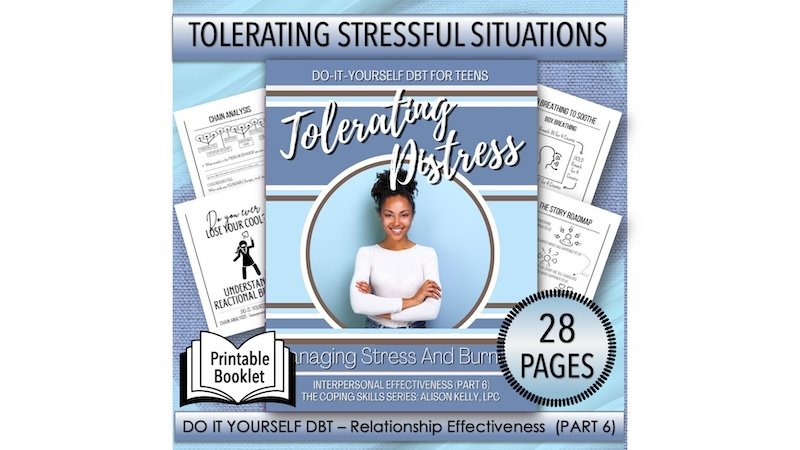
DO-IT-YOURSELF DBT
WORKBOOK SERIES FOR TEENS
WRITTEN BY ALISON KELLY, LPC

DOWNLOAD OUR FREE WORKBOOK

THE 101 COPING SKILLS CHALLENGE WORKBOOK FOR TEENS!
Download the 101 Coping Skills Challenge Workbook For Teens and help your teen get a head start for setting them up for success with practical tools for decreasing their stress level, increasing their self-confidence, and building self-esteem!
COPING SKILLS SOLUTION SETS



































































SIGN UP FOR OUR NEWSLETTER
THE COPING SKILLS FOR TEENS NEWSLETTER
Stay updated on all new uploads and updates to the Coping Skills For Teens website…plus some of the latest research in teen mental health!


Copyright ©2019. All Rights Reserved For Kelly Counseling And Coaching
Terms & Conditions / Privacy Policy / Disclaimer