
Borderline Personality Disorder in Girls

Borderline Personality Disorder (BPD) in Teen Girls
Understanding Intense Emotions, Strengthening Relationships, and Building a Healthier Future
Behind the emotional outbursts, anger, and difficult behaviors is often a young girl who is struggling with emotions she doesn't yet know how to manage.
Parenting a teenage girl who experiences intense emotions can feel confusing, exhausting, and sometimes heartbreaking. One moment, your daughter may be affectionate, happy, and connected. The next, she may be overwhelmed by anger, sadness, or fear of rejection.
You may feel as though you're constantly walking on eggshells, never knowing what might trigger the next emotional reaction. What appears to be defiance, manipulation, or attention-seeking may actually reflect significant emotional distress and difficulty managing overwhelming feelings.
Borderline Personality Disorder (BPD) is not a character flaw, a choice, or evidence of poor parenting. It is a complex mental health condition marked by difficulties with emotional regulation, relationships, self-image, and sometimes impulsive behavior. The encouraging news is that BPD is treatable. With appropriate therapy, support, and practical coping skills, teens can make meaningful and lasting improvements.
Understanding BPD: When Emotions Feel Bigger Than the Situation
Imagine having an emotional volume knob that turns up much faster and louder than anyone else's. A small disappointment might feel devastating. A disagreement with a friend might feel like rejection. A parent's reasonable boundary might trigger an overwhelming fear of losing love or connection.
For some girls with BPD, emotions can escalate so quickly that their ability to think clearly, problem-solve, and respond effectively is temporarily overwhelmed. This doesn't mean their feelings aren't real. It means their emotional responses may be more intense than the situation warrants, making it difficult to respond in ways that support their long-term goals.
The goal of therapy isn't to make your daughter less emotional. It's to help her understand her emotions, manage their intensity, and respond more healthily.
What BPD Can Feel Like From the Inside
Many teenage girls with BPD experience an inner world that others may not fully understand.
They may:
Feel emotions intensely: Sadness, anger, embarrassment, disappointment, and fear can quickly become overwhelming.
Fear of abandonment or rejection: Even small shifts in someone's attention, tone, or availability may trigger fears of being unwanted or unloved.
Struggle with their sense of identity: They may feel uncertain about who they are, what they believe, or how others perceive them.
Experience unstable relationships: They may feel deeply connected to someone one moment and then feel intensely hurt or angry with that person the next.
Feel empty or disconnected: Some girls describe feeling numb, lonely, or as if something is missing.
Experience intense shame: After an emotional outburst, they may feel guilty, embarrassed, or afraid they've harmed an important relationship.
Have difficulty calming down: Once emotions escalate, returning to a calmer state can take considerable time and effort.
Act impulsively when distressed: They may say or do things in the moment that they later regret.
These experiences can be painful and confusing, especially for a teen who may not understand why her reactions feel so intense.
Why Parents Often Feel Confused and Overwhelmed
Parents frequently describe experiences such as:
"She's so loving one minute and furious the next."
"She can hold it together at school but falls apart at home."
"No matter what I say, it seems to make things worse."
"She takes everything personally."
"She pushes me away, then gets upset when I give her space."
"I feel like I'm constantly walking on eggshells."
"She says terrible things when she's angry, but later acts like nothing happened."
These patterns can leave parents feeling helpless, frustrated, and unsure how to respond. For some teens, home is where they release emotions they've worked hard to manage all day. For others, family relationships trigger powerful fears of rejection, independence, or losing connection.
It's also important to recognize that understanding the emotional reasons for a behavior doesn't make it acceptable.Parents can validate their daughter's feelings while maintaining appropriate expectations, boundaries, and accountability.

Common BPD Patterns Parents May Notice
1. Intense Emotional Reactions
A seemingly minor disappointment can lead to crying, yelling, shutting down, or prolonged anger.
Example: A parent says their daughter cannot go out with friends because she hasn't completed her responsibilities. Instead of feeling ordinary disappointment, she becomes overwhelmed, accuses her parents of not caring about her, and struggles to calm down.
The emotional reaction may stem from feeling rejected, controlled, ashamed, or misunderstood.
2. Fear of Abandonment
A teen may become highly distressed when she perceives someone pulling away.
Example: A friend doesn't respond to a text message. She starts worrying that the friendship is over, repeatedly checks her phone, sends more messages, or becomes angry.
Even without evidence of rejection, the fear can feel very real.
3. All-or-Nothing Thinking
Some girls struggle to hold both positive and negative feelings about the same person at the same time.
Example: After a wonderful weekend with her mother, a disagreement prompts her to say, "You never care about me!" or "You're the worst mom ever!"
In that moment, her painful feelings may temporarily overshadow memories of positive experiences.
4. Pushing People Away While Wanting Connection
A teen may desperately want reassurance but react angrily when someone tries to help.
Example: She tells her parents to leave her alone, then becomes upset when they give her space, interpreting their withdrawal as proof they don't care.
This can create a confusing cycle of seeking closeness, fearing rejection, and pushing others away.
5. Impulsive or Self-Destructive Behaviors
Some teens attempt to escape overwhelming emotions by making impulsive decisions, engaging in risky behaviors, self-injuring, or threatening. These behaviors require careful assessment and appropriate intervention. Self-harm and suicidal statements should always be taken seriously rather than dismissed as attention-seeking behavior.
6. Shame and Emotional Exhaustion
After an outburst, a teen may experience significant guilt, embarrassment, or self-criticism. She may struggle to apologize, acknowledge her behavior, or repair the relationship because doing so can trigger additional shame. Therapy can help teens learn that taking responsibility for their actions does not mean they are bad people.
Is It BPD or Typical Teenage Behavior?
Adolescence naturally involves emotional changes, identity exploration, growing independence, and occasional conflict with parents. Intense emotions or difficult relationships do not automatically indicate that a teen has BPD. Clinicians consider the severity, persistence, frequency, and impact of symptoms across different areas of life.
A comprehensive assessment is important because BPD symptoms can overlap with other conditions, such as:
Anxiety disorders and OCD
ADHD and emotional dysregulation
Depression and bipolar disorders
PTSD and complex trauma
Autism spectrum disorder
Other emotional and behavioral difficulties
BPD can be diagnosed in adolescents when the diagnostic criteria are met, and the pattern is persistent and pervasive, and not better explained by typical development or another condition. Never base a diagnosis on a single behavior or an isolated crisis.
Early identification is not about labeling a child. It's about understanding her needs and connecting her to effective treatment.
What BPD Is Not
BPD is not simply:
Bad behavior
Poor parenting
A lack of discipline
Laziness
A character flaw
A refusal to control emotions
An indication that a teen cannot have healthy relationships
At the same time, emotional distress does not eliminate personal responsibility. Some behaviors may serve a purpose, such as escaping distress, seeking reassurance, avoiding a difficult situation, or influencing another person's response. These patterns are not always intentional or fully understood by the teen.
Treatment helps identify what maintains these behaviors and teaches healthier, more effective alternatives. We can have compassion for the feelings that drive a behavior while still helping a teen take responsibility for changing it.
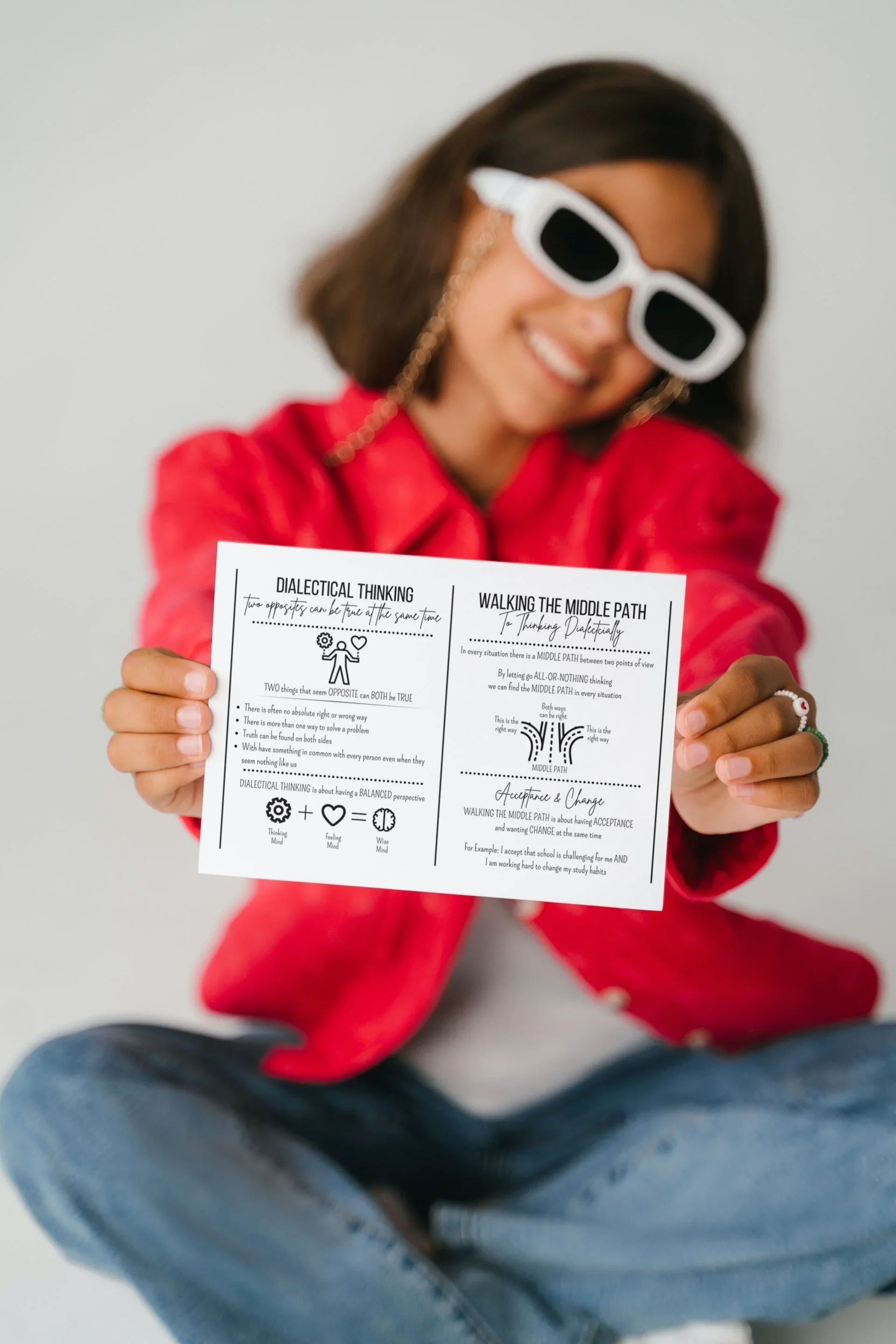
Why Dialectical Behavior Therapy (DBT) Helps
Learning to Manage Emotions Instead of Being Controlled by Them
Dialectical Behavior Therapy (DBT) is an evidence-based treatment developed for individuals experiencing severe emotional dysregulation and related behavioral difficulties. DBT is particularly well supported for treating BPD-related symptoms, and adolescent adaptations such as DBT-A have demonstrated benefits for self-harm, suicidal behaviors, and difficulties with emotional regulation.
Rather than simply discussing problems, DBT teaches practical skills teens can apply to everyday situations.
It combines two essential ideas:
Acceptance: Your feelings are real, and there are understandable reasons for them.
Change: You can learn new ways to respond to those feelings, even when they're intense.
Both are necessary for meaningful progress.
The Five Core Areas of DBT Skills
1. Mindfulness: Learning to Pause Before Reacting
Mindfulness teaches teens to notice their thoughts, feelings, and physical sensations without reacting immediately. Instead of letting emotions take over, they learn to slow down and respond more intentionally.
Example: Recognizing, "I'm feeling rejected right now, but that doesn't necessarily mean I'm being rejected."
2. Distress Tolerance: Getting Through Difficult Moments Safely
Distress tolerance skills help teens manage emotional crises without making the situation worse. These strategies are especially helpful when emotions are too intense for immediate problem-solving.
Example: Using paced breathing, grounding, or temperature-based coping techniques before responding to an upsetting message.
3. Emotion Regulation: Understanding and Managing Feelings
Emotion regulation helps teens identify their emotions, understand what triggers them, and reduce their emotional vulnerability.
Example: Learning to recognize early signs of anger and to use coping strategies before reaching the point of an explosive outburst.
4. Interpersonal Effectiveness: Building Healthier Relationships
These skills teach teens to communicate their needs, set boundaries, manage conflict, and maintain self-respect.
Example: Saying, "I felt hurt when our plans changed. Can we talk about it?" rather than accusing a friend of not caring.
5. Walking the Middle Path: Reducing Family Conflict
An important component of adolescent DBT, Walking the Middle Path teaches teens and parents to move away from extreme thinking and power struggles. Families learn to balance validation with expectations, independence with guidance, and acceptance with change.
Example: A parent might say, "I understand why you're disappointed not to go out tonight. It's okay to feel upset, and the expectation that you complete your responsibilities still stands."
This approach lets parents stay compassionate without abandoning boundaries.
Why Family Involvement Matters
BPD-related difficulties rarely affect only the individual experiencing them. Intense emotions, communication breakdowns, and repeated conflict can create stress across the family. Parents may unintentionally fall into patterns of overexplaining, rescuing, withdrawing, arguing, or changing expectations to prevent emotional escalation. These responses are often understandable attempts to help, but they can reinforce unhelpful patterns.
Family involvement can help parents learn to:
Validate emotions without reinforcing harmful behaviors.
Set consistent, compassionate boundaries.
Respond effectively to emotional escalation.
Reduce arguments and power struggles.
Recognize and interrupt unhealthy interaction patterns.
Encourage independence and accountability.
Support coping skills outside therapy.
Rebuild trust and strengthen relationships.
The goal is not to blame parents or teens. It's to help everyone develop healthier ways to respond to one another.
The Importance of Early Intervention
One of the most encouraging facts about BPD is that meaningful recovery is possible. Long-term research has challenged the outdated belief that BPD is a lifelong condition with little hope for improvement. Research from McLean Hospital's longitudinal study of adults with BPD found very high rates of symptomatic remission over time, with many participants maintaining improvement for years. These findings offer important hope, although remission of diagnostic symptoms does not always mean that every relationship, emotional, or day-to-day functioning difficulty has resolved. The research also highlights the importance of ongoing support and treatment tailored to individual needs.
A BPD diagnosis does not determine a person's future. With appropriate treatment, many individuals experience significant improvement and build meaningful, fulfilling lives.
My Approach to Treating BPD in Teen Girls
As a therapist trained in Dialectical Behavior Therapy and specializing in working with adolescent girls experiencing BPD symptoms and emotional dysregulation, I understand how challenging these experiences can be for both teens and their families.
My approach is warm, collaborative, compassionate, and skills-focused. I work with teens to help them better understand their emotions, recognize patterns that contribute to distress, and develop healthier ways to manage difficult situations.
Treatment may focus on:
Building emotional awareness and self-control
Reducing impulsive and self-destructive behaviors
Developing healthy coping skills
Improving self-esteem and identity development
Strengthening communication and relationship skills
Learning to tolerate disappointment and uncertainty
Building accountability and problem-solving abilities
Increasing independence and resilience
I also recognize the importance of helping parents understand their daughter's emotional world and develop effective strategies for responding to challenging behaviors. When appropriate, family sessions and parent coaching are incorporated to strengthen communication, reduce conflict, and support progress at home.

There Is Hope for Your Daughter and Your Family
Your daughter is more than her diagnosis, her emotional reactions, or the challenges she's facing right now. She has strengths, interests, talents, and qualities that deserve recognition and nurturing.
With the right treatment and support, she can learn to manage her emotions, build healthier relationships, make more effective decisions, and build her confidence. As a parent, you can learn to support her without feeling responsible for managing every emotion or preventing every difficult moment.
The goal isn't to change who your daughter is. It's to help her develop the skills to become the healthiest, most confident version of herself.
Ready to Take the Next Step?
If your daughter struggles with intense emotions, relationship difficulties, impulsive behavior, or symptoms of BPD, counseling can help.
Schedule a complimentary consultation to discuss your concerns, learn more about DBT-informed treatment, and explore how we can support your daughter and family.
*Please note: This form is NOT encrypted or secure. Refrain from sending any personal or confidential information via this form
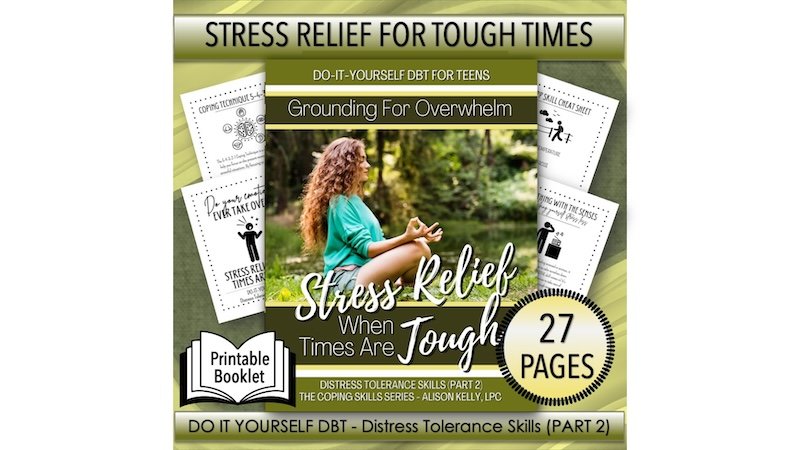
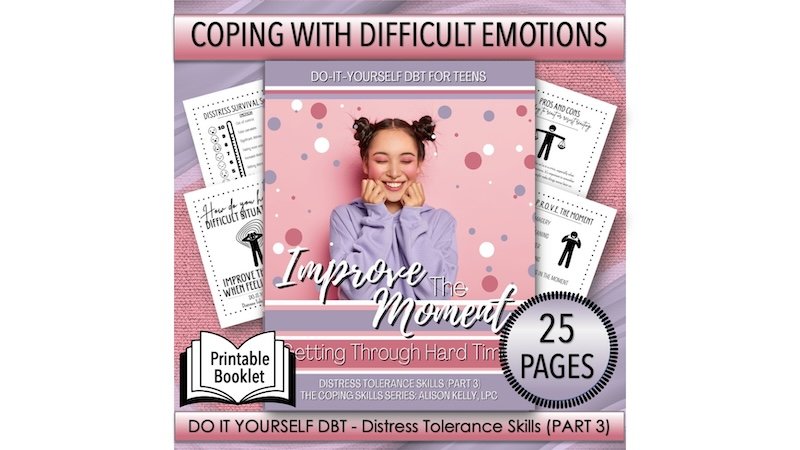
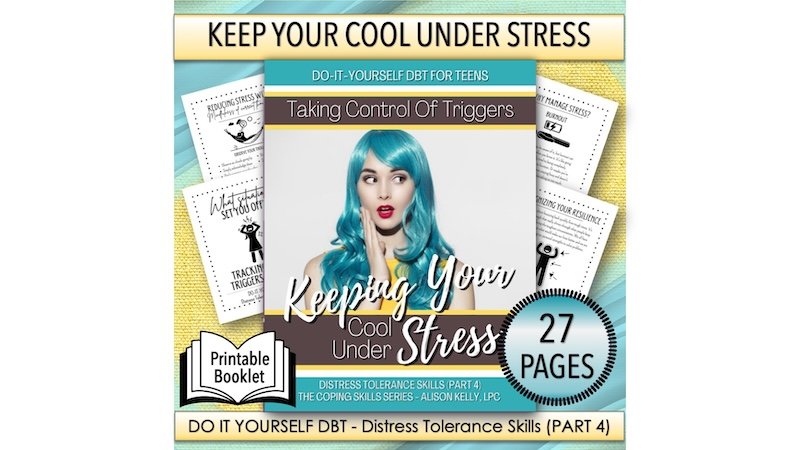
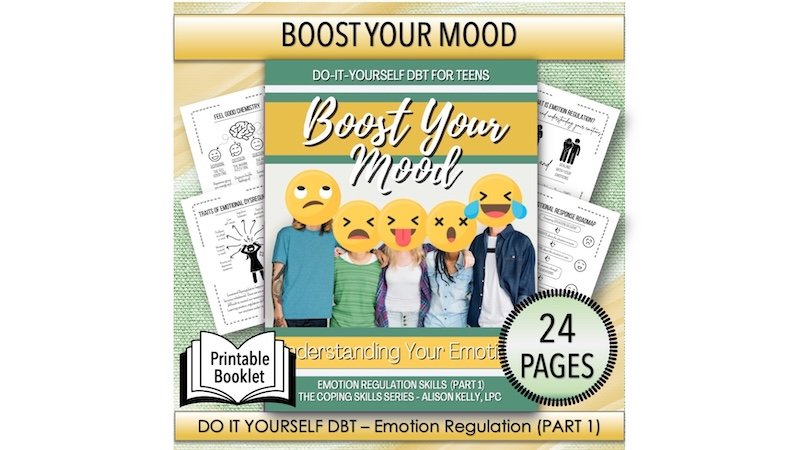
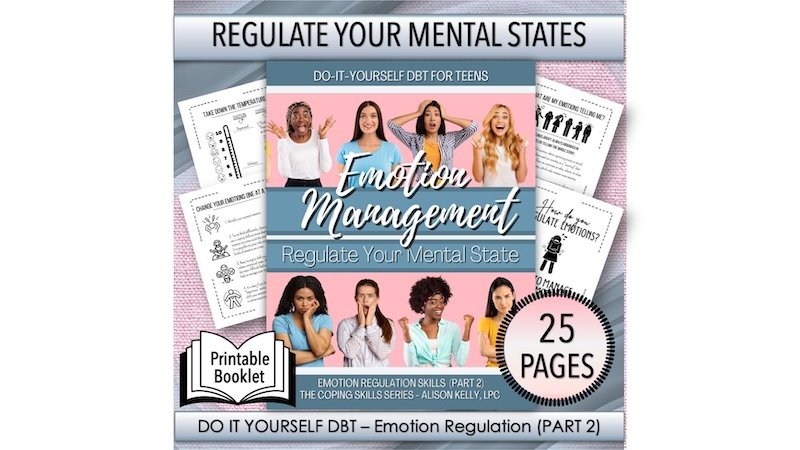
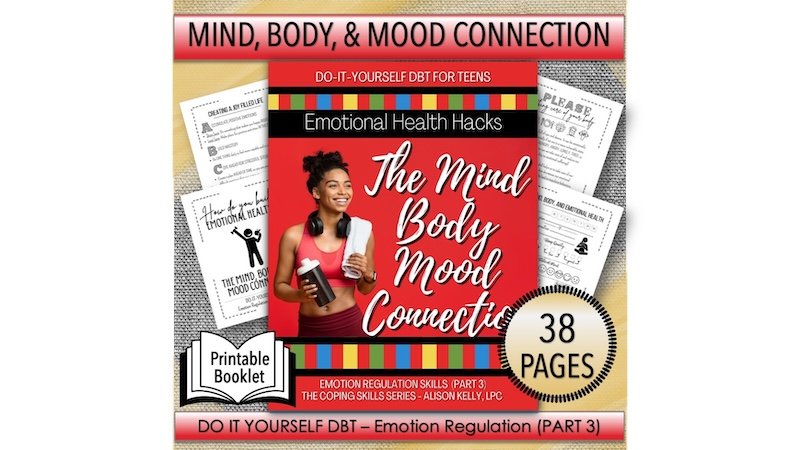
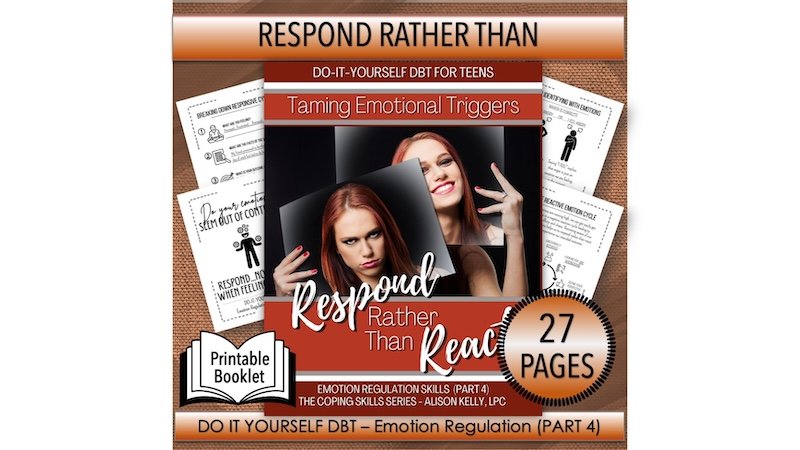
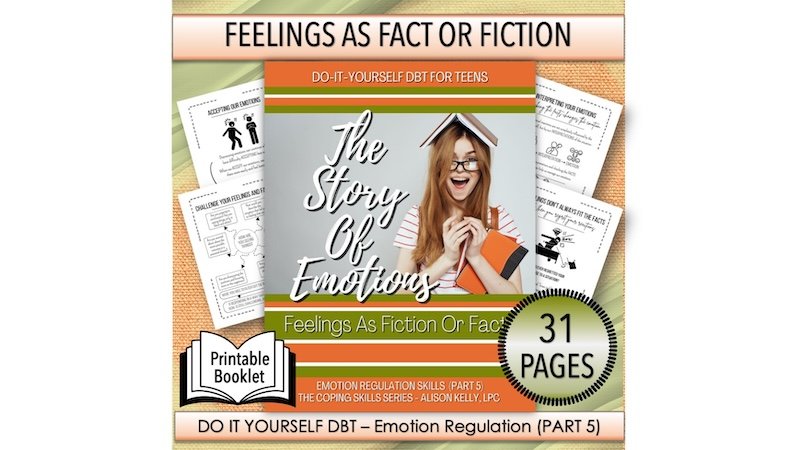
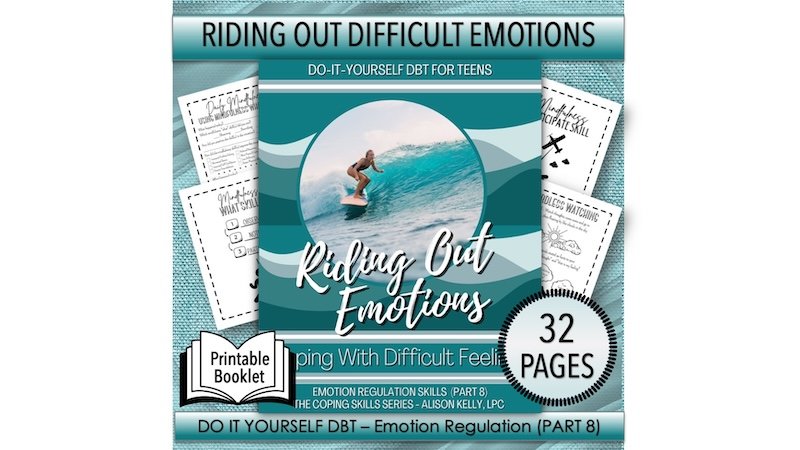
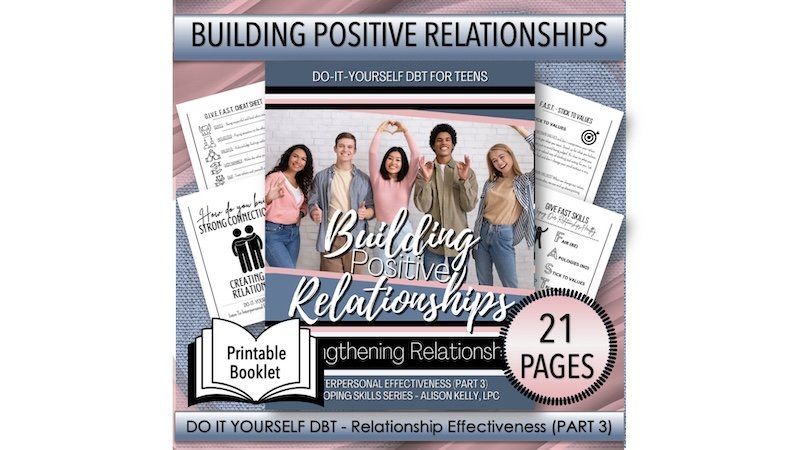
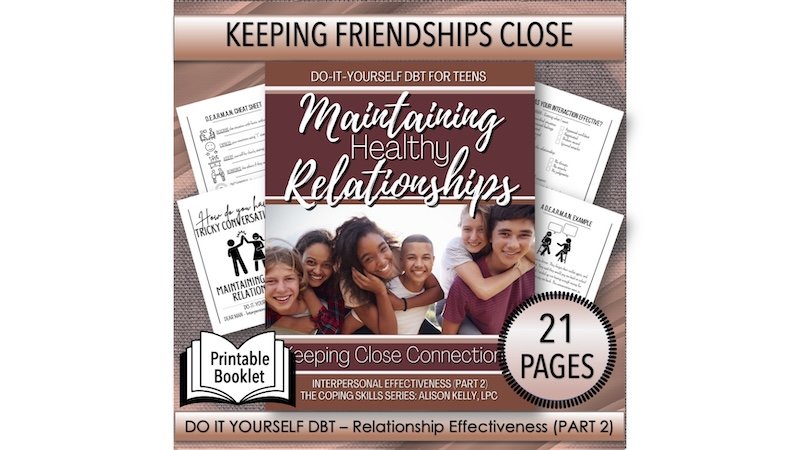
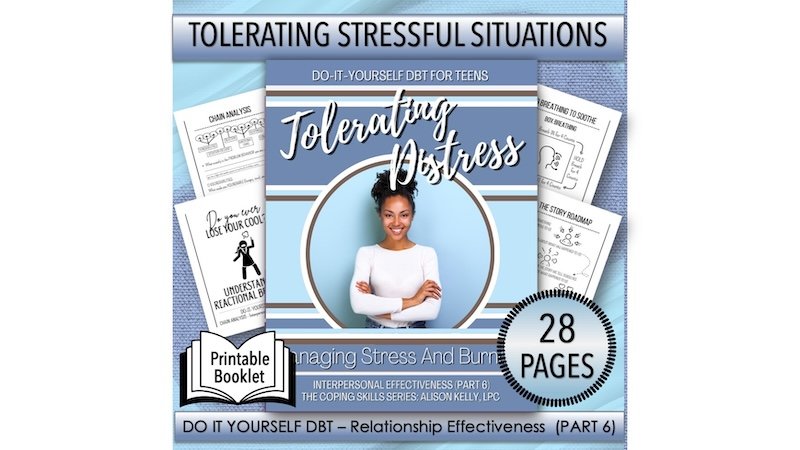
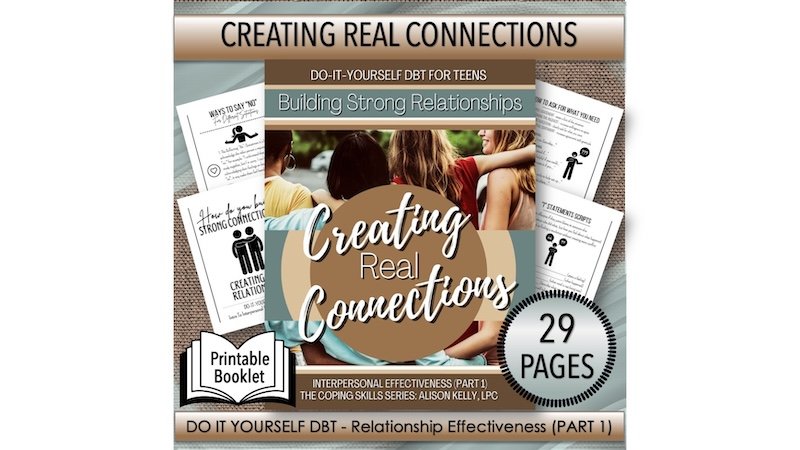
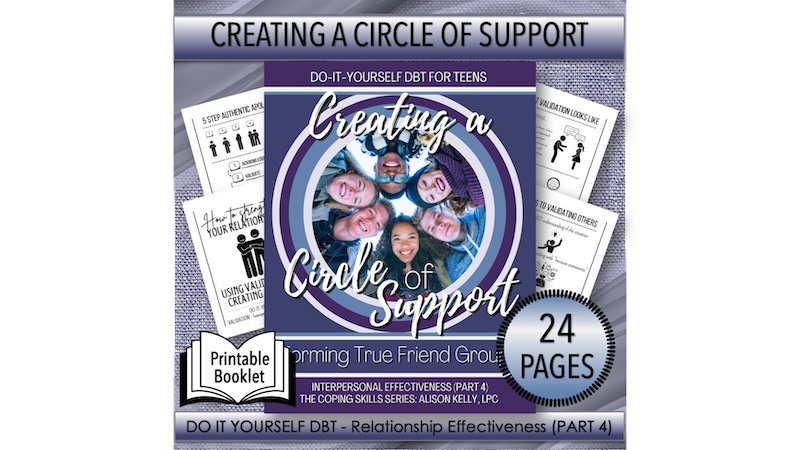
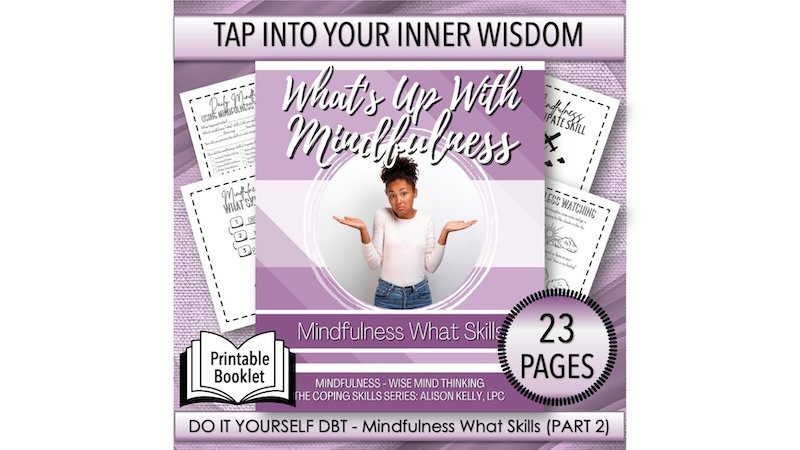
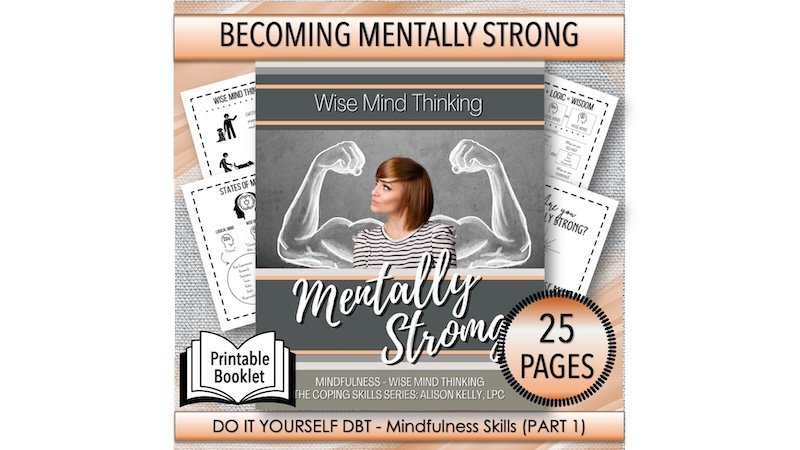
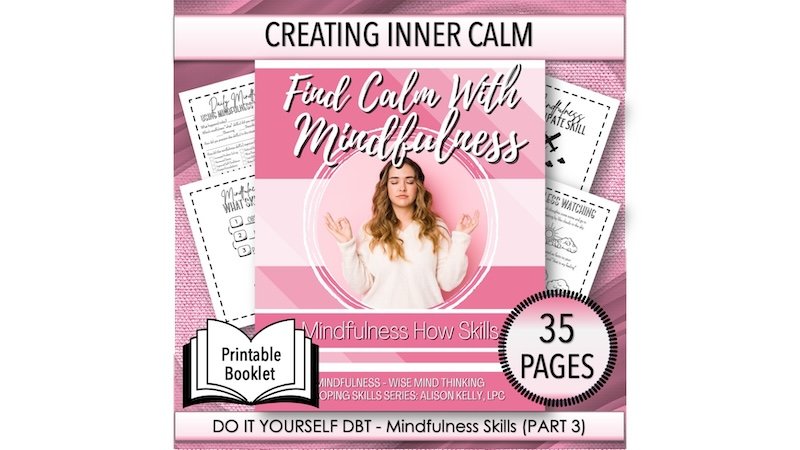
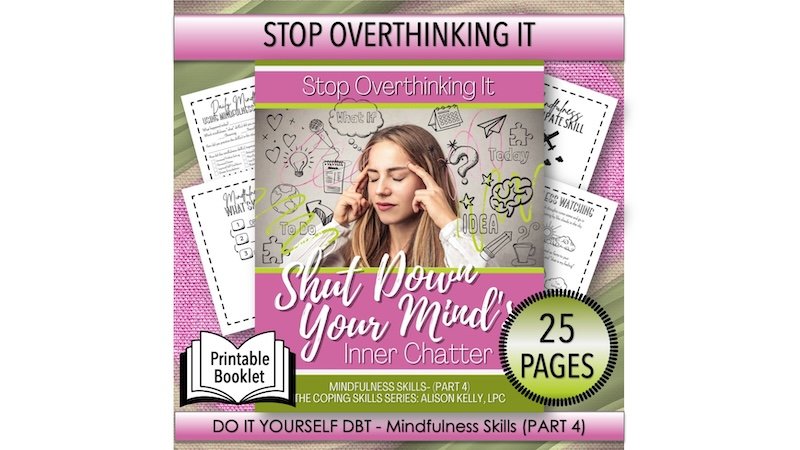
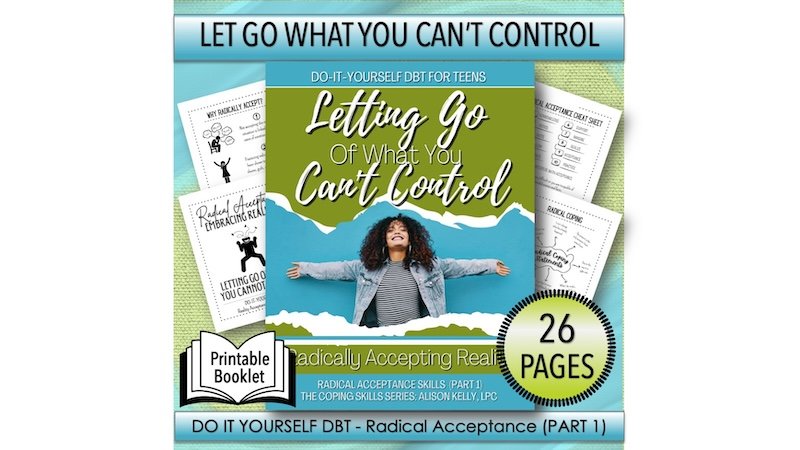
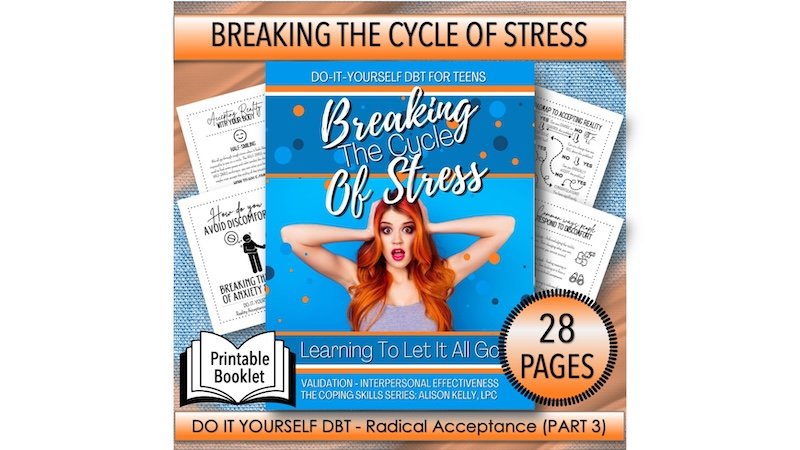
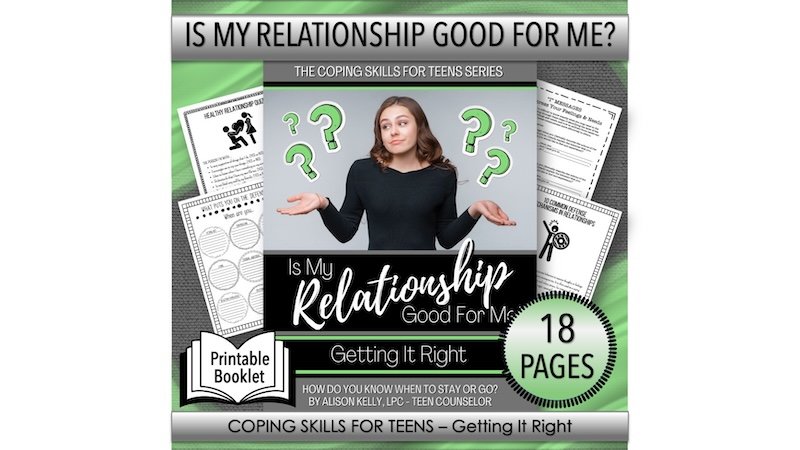
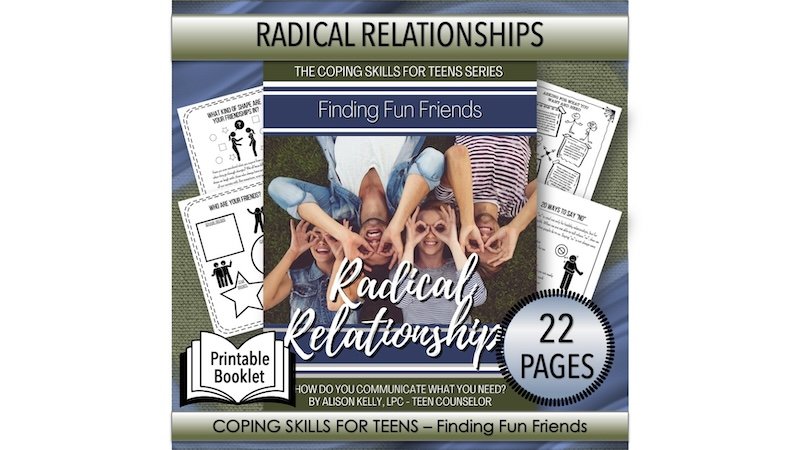
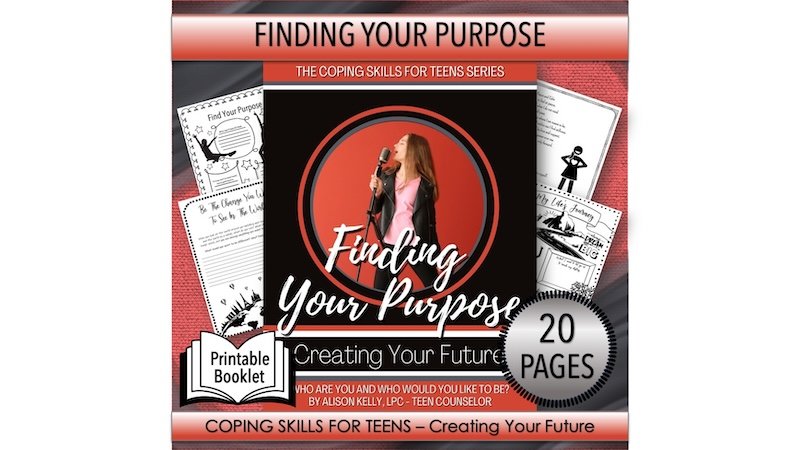
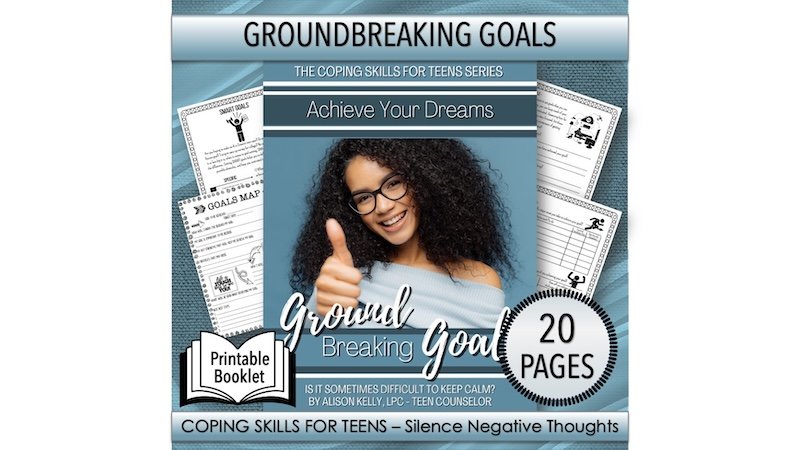
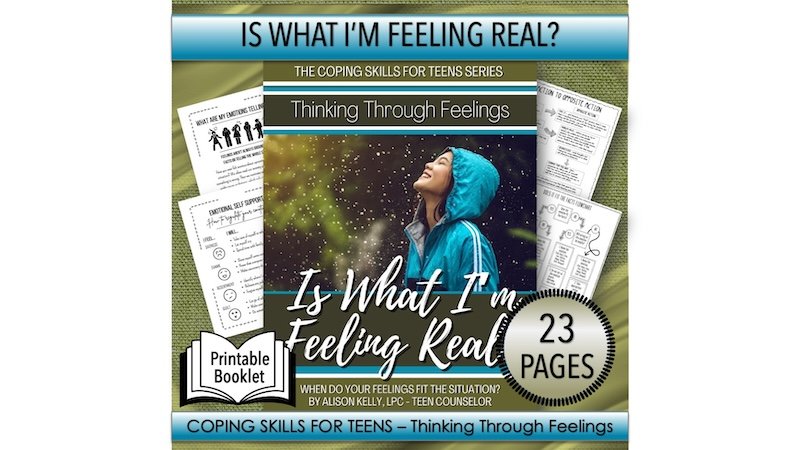
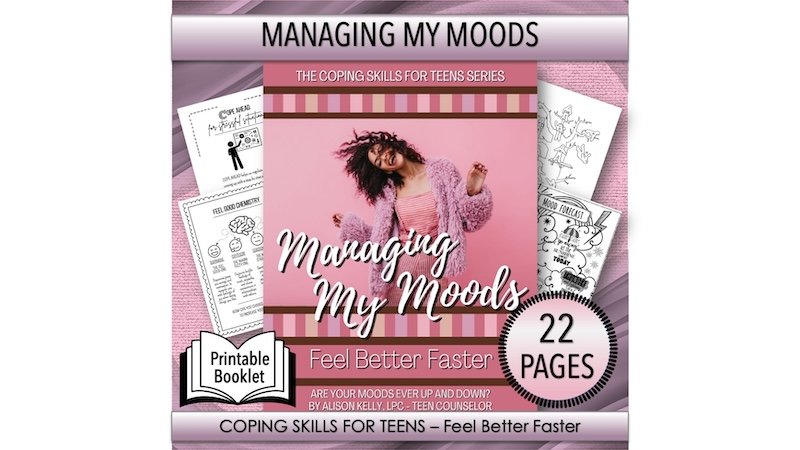
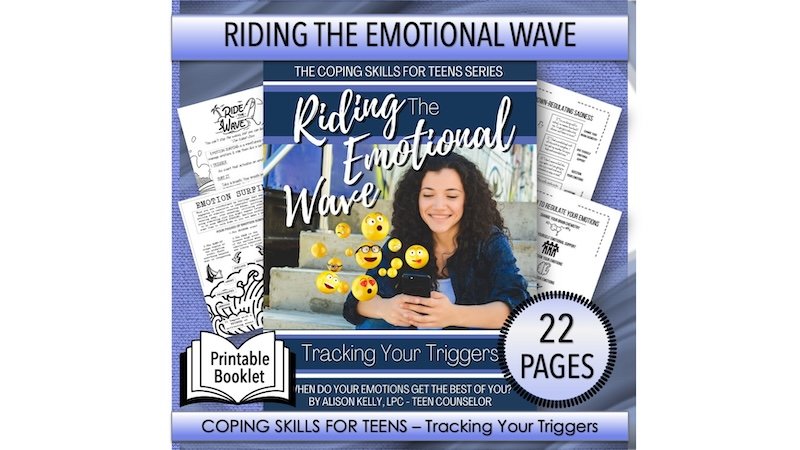
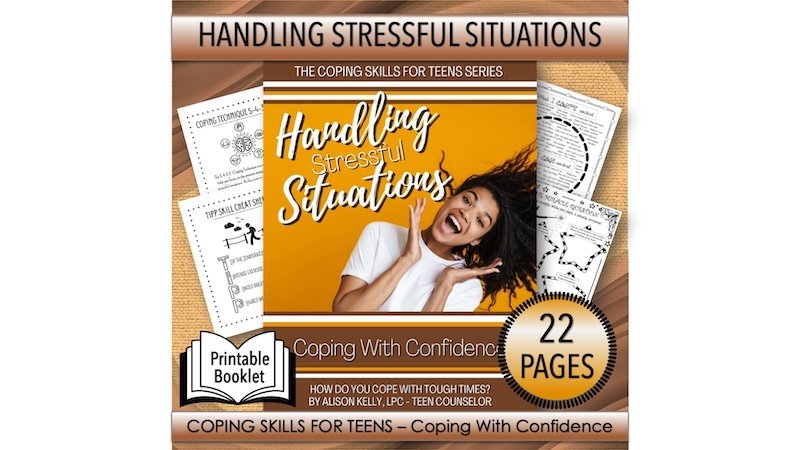
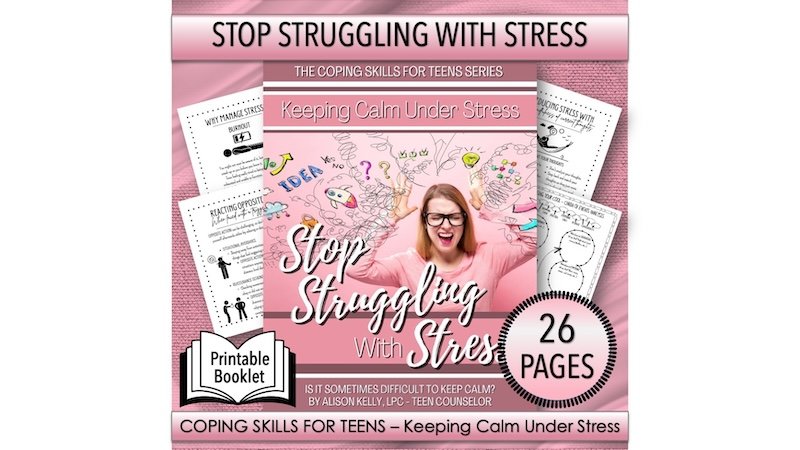
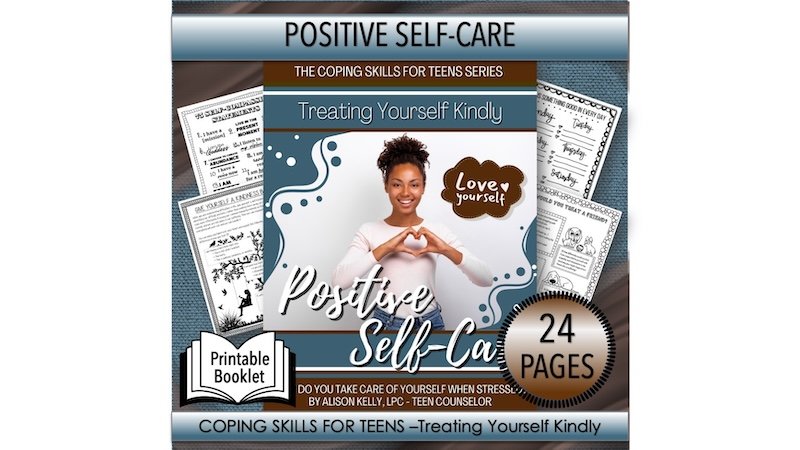
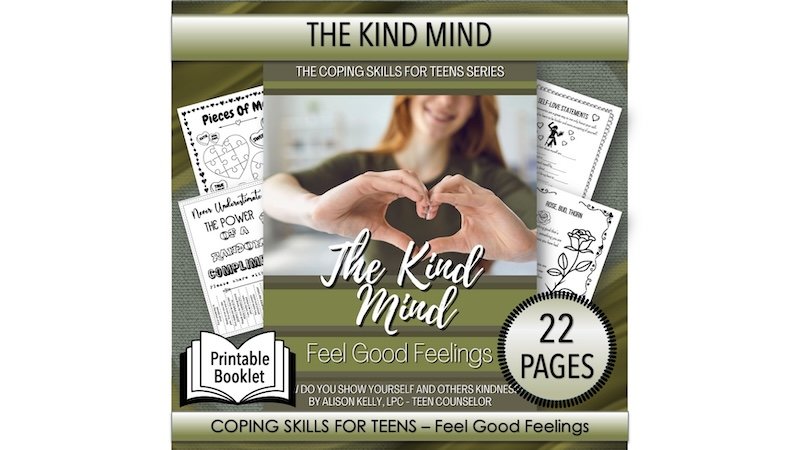
DO-IT-YOURSELF DBT
WORKBOOK SERIES FOR TEENS
WRITTEN BY ALISON KELLY, LPC

DOWNLOAD OUR FREE WORKBOOK

THE 101 COPING SKILLS CHALLENGE WORKBOOK FOR TEENS!
Download the 101 Coping Skills Challenge Workbook For Teens and help your teen get a head start for setting them up for success with practical tools for decreasing their stress level, increasing their self-confidence, and building self-esteem!
COPING SKILLS SOLUTION SETS


















SIGN UP FOR OUR NEWSLETTER
THE COPING SKILLS FOR TEENS NEWSLETTER
Stay updated on all new uploads and updates to the Coping Skills For Teens website…plus some of the latest research in teen mental health!


Copyright ©2019. All Rights Reserved For Kelly Counseling And Coaching
Terms & Conditions / Privacy Policy / Disclaimer